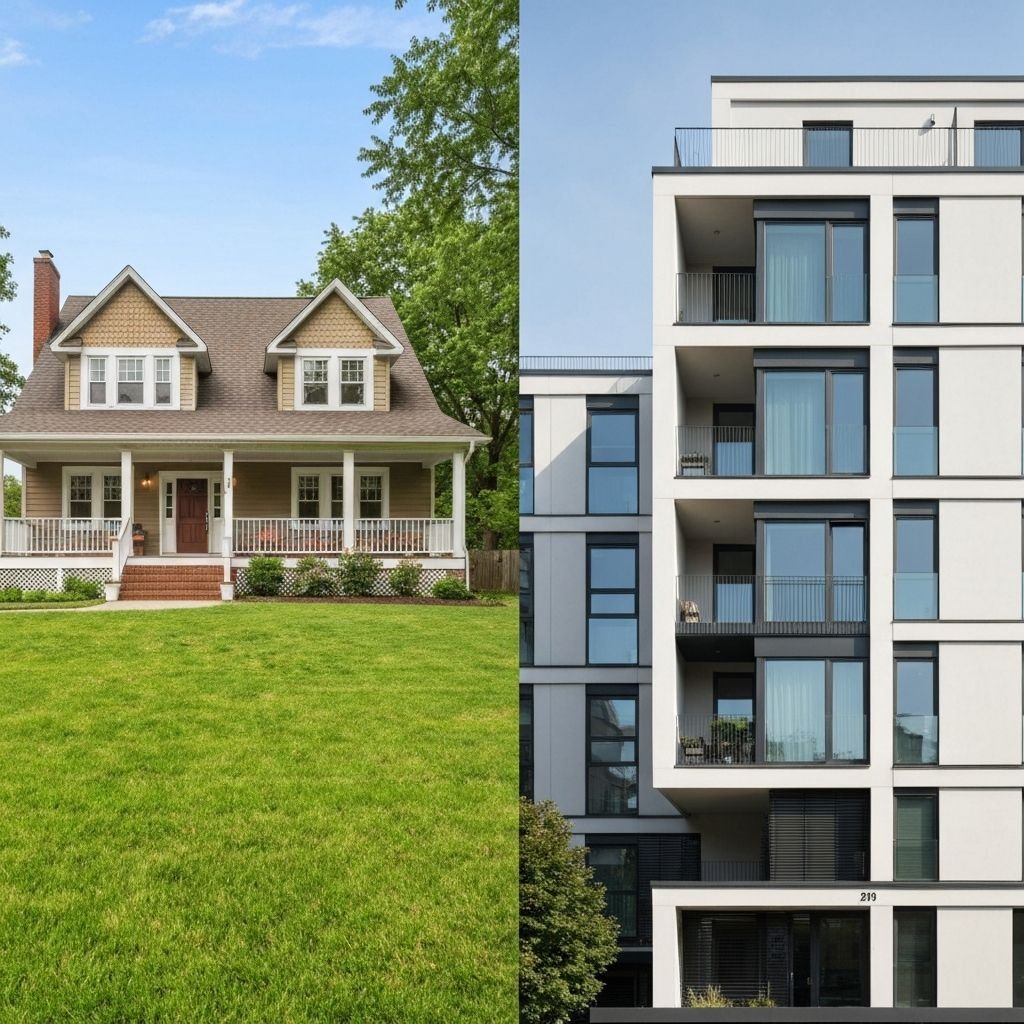
The Canadian housing market is showing signs of cooling in 2026 due to rising interest rates and stricter mortgage rules. Buyers in Toronto and Vancouver should carefully consider timing and financing options.
The Canadian real estate landscape in 2026 presents a nuanced picture for prospective buyers. After years of dramatic price appreciation, the market is experiencing a much-needed correction driven by the Bank of Canada's sustained interest rate policy and the federal government's tightened mortgage stress test requirements.
*Key Market Indicators*
In Toronto, average home prices have declined approximately 8–12% from their 2023 peak, bringing some affordability back to the table — though prices remain historically elevated. Vancouver, traditionally one of Canada's priciest markets, is seeing similar trends, with detached homes becoming marginally more accessible.
*What's Driving the Cooldown?*
The primary catalyst has been the sustained high-rate environment. With the benchmark rate sitting above 4.5%, many buyers who qualified for mortgages two years ago now find themselves priced out unless they bring substantial down payments. Stricter stress-test rules mean buyers must qualify at rates roughly 2% above the contract rate.
*Opportunities for Savvy Buyers*
Despite the challenges, 2026 presents genuine opportunities. First-time buyers with solid finances can negotiate better terms than at any point in the past five years. Pre-construction condos in secondary markets like Calgary, Ottawa, and Halifax are offering incentives unseen in over a decade.
*Regional Breakdown*
*Looking Ahead*
Most analysts expect the Bank of Canada to begin a rate-cut cycle in late 2026, which could reignite demand. Buyers who act before this cycle begins may secure the best prices of this decade.
This content is informational only and does not constitute financial or investment advice. Consult a licensed real estate professional before making any property decisions.
Disclaimer: This article is for informational purposes only and does not constitute financial, legal, or investment advice. Always consult a licensed professional before making property decisions.